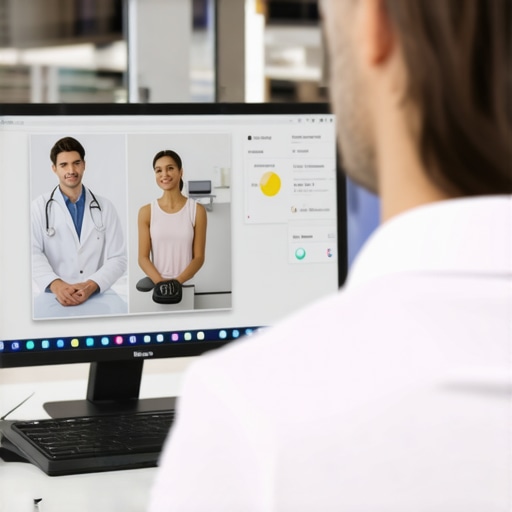
It was late at night, and I was staring at my reflection in the mirror, frustration and confusion mounting. Despite trying every diet and workout plan, the scale stubbornly refused to budge. I felt trapped, desperate for a solution that didn’t involve surgery or risky supplements. Then it hit me—what if I could access FDA-approved weight loss medications without stepping into a clinic? That lightbulb moment changed everything.
How Telemedicine Can Revolutionize Your Weight Loss Journey
For many of us, the idea of qualifying for doctor-prescribed weight loss drugs feels intimidating or downright impossible. You might wonder: Can I actually get access to legal, effective weight loss medications through a virtual consultation? The answer is yes, and in this post, I’ll share how you can utilize telemedicine to navigate the often confusing process of qualifying for these treatments. The good news is that more and more healthcare providers are embracing online platforms to offer safe, doctor-led fat loss plans, making it easier than ever to access solutions like GLP-1 weight loss medications, including semaglutide and tirzepatide. The key is understanding the requirements and how to present yourself for a successful qualification. If you’ve faced hurdles or skepticism about whether you qualify—trust me, I was right there with you—then stick around. I’ll walk you through the proven steps to make your pathway clearer. Did you know that, according to recent studies, these medications can help adults lose an average of 15-20% of their body weight—a significant improvement over traditional methods? This highlights why getting qualified is a game-changer. Now, let’s get into the details of how you can turn this possibility into a reality. Ready to discover the specific steps to qualify from the comfort of your home? Great—because it’s time to take control of your weight loss destiny and learn how telemedicine can open doors you never knew existed.
Identify Your Eligibility and Prepare Your Medical History
To start, review the basic criteria for FDA-approved weight loss medications like semaglutide and tirzepatide. These typically include a BMI over 30 or over 27 with obesity-related conditions such as hypertension or diabetes. Gather your medical records, current medications, and any previous weight loss efforts to help your virtual consultation go smoothly. Think of this as assembling your toolkit before embarking on a DIY project—being prepared increases your chances of approval. During my first telemedicine appointment, I had all my docs ready, which expedited the process and gave me confidence in presenting my case effectively.
Choose a Reputable Telemedicine Platform
Not all platforms are equal; some prioritize convenience, others focus on medical rigor. Here, it’s crucial to select a provider with licensed physicians experienced in weight management—look for platforms that are transparent about their services and privacy policies, like their privacy policy. My advice is to avoid sketchy sites offering quick prescriptions—these often lack proper assessments and could jeopardize your health. The best services conduct thorough evaluations, including BMI calculation, health questionnaires, and sometimes, medical tests. I used a well-reviewed telemedicine platform that specializes in doctor-led fat loss plans, which gave me confidence that I was following a legal, safe path.
Navigate the Consultation and Submit Your Medical Details
Once you’ve chosen your platform, schedule your consultation. Be honest and detailed: describe your weight history, health conditions, and goals. Think of this stage as a job interview—you want to show your seriousness and commitment. During my call, I clearly articulated my previous efforts and medical conditions, which helped the doctor determine eligibility. They might ask about your BMI, existing medications, or other health issues. Remember, these medications aren’t a quick fix; your doctor needs accurate information to recommend the best treatment, such as semaglutide or tirzepatide, after comparing their benefits and side effects, as discussed in this comparison article.
Get Your Prescription and Arrange for Delivery
After approval, the platform will send your prescription electronically—think of this as ordering your medical supplies online. You can choose to have your medication shipped discreetly to your home or pick it up at a local pharmacy, depending on service options. In my case, I ensured the provider used certified pharmacies to guarantee medication authenticity. Some platforms even integrate with specific pharmacies offering competitive prices—saving you money while maintaining quality. Once your meds arrive, follow your doctor’s dosing instructions carefully to maximize safety and efficacy. Regular follow-ups are vital—most telemedicine services schedule virtual check-ins to monitor progress and adjust doses if necessary, ensuring your treatment remains safe and effective. For guidance on safely tapering off or adjusting your medications, visit this resource.While many believe that prescription weight loss medications are only effective for severe obesity, the reality is that these drugs can benefit a broader range of individuals when prescribed and monitored correctly. A common myth is that all FDA-approved weight loss drugs are quick fixes, but in truth, they require a comprehensive approach, including lifestyle changes and medical oversight, to maximize safety and efficacy.
What Advanced Users Need to Know About GLP-1 Medications and Myths
One nuanced misconception revolves around GLP-1 receptor agonists like semaglutide and tirzepatide. Many assume they are interchangeable, but each has unique pharmacodynamics and side effect profiles that influence how they should be used in personalized treatment plans. For instance, tirzepatide acts on multiple receptors, offering potentially faster weight reduction, but it also carries different risk factors that require careful management. Understanding these subtleties is crucial for healthcare providers adopting these treatments in doctor-led fat loss plans, and for patients seeking safe options. Research published in the *Journal of Obesity* emphasizes the importance of individualized therapy to avoid common pitfalls, such as overgeneralization of efficacy or side effect expectations (source).Maintaining long-term weight loss achieved through prescription medications requires more than just discipline; it involves leveraging the right tools and strategies to keep progress steady. One of my personal favorites is using a comprehensive digital tracking system. I rely on the MyFitnessPal app, not because it merely logs calories, but because it integrates seamlessly with my wearable device, allowing me to monitor my activity levels, sleep patterns, and hydration—all crucial factors influencing weight management. The app’s ability to generate detailed reports helps me identify trends, adjust my lifestyle, and stay motivated. Additionally, I utilize a digital blood pressure monitor, which I check regularly, especially when on medications that might affect cardiovascular health. I personally prefer the Omron Platinum, thanks to its clinical accuracy and user-friendly interface. Regular health monitoring using such devices empowers me to escalate or modulate my approach proactively. When it comes to supplementing my routine, I use a smart scale like the Withings Body+ — it not only tracks my weight but also provides body composition metrics such as fat percentage, muscle mass, and water weight. These detailed insights help me understand how my body responds over time, informing whether I need to tweak my diet or activity levels. As telemedicine platforms evolve, they also often include tools for virtual consultations, allowing me to consult with my healthcare provider remotely if I notice plateaus or concerning symptoms. This connectivity enhances adherence to my medical plan without the need for frequent physical visits. Looking ahead, I predict that AI-driven health tracking and personalized data analysis will become standard, offering even more tailored advice and early alerts about potential health issues. To ensure ongoing success, I recommend making these tools a core part of your routine, not just for tracking but for creating a feedback loop that helps you stay aligned with your long-term goals. How do I keep my weight loss efforts sustainable over time? Besides these tools, I focus on maintaining a balanced diet rich in protein and fiber, which supports my medications’ efficacy. Additionally, ongoing education about my medications and health metrics, such as reading up on the pharmacodynamics of GLP-1 medications, keeps me empowered and engaged. For a detailed understanding of how to maximize your medication’s potential, consider reviewing resources like the comprehensive technical sheets provided by [The British Pharmacopoeia](https://lossweight4all.com/semaglutide-vs-tirzepatide-the-ultimate-weight-loss-showdown), which explains dosing strategies and safety considerations. Remember, maintaining your weight loss is a marathon, not a sprint. Incorporate these precise tools and strategies into your routine, and you’ll be better positioned to sustain your results and experience the health benefits long-term. Ready to take your maintenance to the next level? Start by setting up a digital health monitoring system today and watch your progress become quantifiable and manageable.
The Surprising Lessons That Shifted My Approach to Prescription Weight Loss
One of the most eye-opening realizations I had was that not every prescription weight loss medication fits everyone equally. Personalized treatment plans matter more than I initially believed, especially when considering GLP-1 receptor agonists like semaglutide and tirzepatide. I learned that patience and ongoing communication with my healthcare provider are essential to adapt doses and strategies for sustainable results. Additionally, I discovered that embracing a comprehensive approach—combining medication, lifestyle changes, and digital health tools—creates a synergy that accelerates progress and reduces the risk of rebound. The experience also taught me to be skeptical of quick fixes advertised online; trusting reputable, doctor-led fat loss plans is crucial for safety and efficacy. This journey made me realize that the path to health isn’t just about weight; it’s about building habits grounded in medical guidance and personalized care, available conveniently through telemedicine platforms.